Rare Special Editions available from ACC Art Books –  More Information

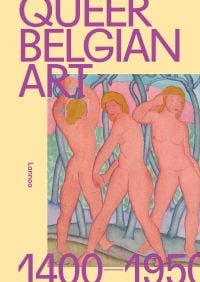
Queer Belgian Art 1400-1950 – Museum of Fine Arts Ghent, Belgium

20 Feb — 30 May 2027

Queer Belgian Art

1400–1950

Exhibition
20.02 – 30.05.27


*Queer narratives are as old as humanity itself, yet they are hardly visible in Belgian museums. After four years of research, the MSK breaks the silence with Queer Belgian Art 1400–1950: the first exhibition to view art from the Southern Netherlands and Belgium through an LGBTQIA+ lens.

Encounter people whose lives and loves did not fit within the norms of their time, discover how artists were fascinated by same-gender intimacy, and reflect on the hidden – yet sometimes strikingly present – queer stories in Belgian art history. The exhibition invites everyone to look anew at works by artists such as Ensor, Rimbout, Rops and Rubens, and to explore hitherto unknown queer paintings, drawings and sculptures from 1400 to 1950.

Beyond the norm?
What counts as acceptable intimacy? What do masculinity, femininity and non-binary identity mean? Our views on sexual orientation, gender identity and expression are constantly evolving. What seems like the norm today was often experienced very differently in the past. Conversely, what seems ‘different’ now may once have been the norm.

Artists from the Southern Netherlands and their patrons were also intrigued by these themes. Sometimes we think we can read personal desires in their work. Sometimes—especially as queer viewers—we hope to recognise ourselves in the art of the past.


150 untold stories from Belgian art history
A visit to a museum might suggest that Belgian art contains hardly any queer themes. With this pioneering exhibition, the MSK presents a more complete picture. Through 150 artworks from over 50 collections, you will discover fascinating historical stories and hidden LGBTQIA+ codes spanning five centuries of Belgian art.

Artists such as Yvonne Serruys and Theo Van Rysselberghe moved in queer circles; others, like Germaine Rimbout, lived queer lives themselves; and still others explored themes such as gender fluidity, cross-dressing and same-gender intimacy. Peter Paul Rubens, for instance, depicted Achilles in female clothes, Félicien Rops portrayed lesbian Paris, and James Ensor showed two men kissing on the beach in Ostend.


Four years of research and collaboration
Queer Belgian Art 1400–1950 is the result of more than four years of art-historical research and close collaboration with academics, students, partner museums, archives, private collectors and visitors. The exhibition, catalogue and public programme were created largely by members of the queer community, and in times of polarisation, the museum firmly opts for empathy and connection between all audiences.

The exhibition offers new perspectives on Belgian art history, without imposing contemporary labels on historical figures who cannot speak for themselves. Instead, it invites everyone to remain open to multiple interpretations—and to experience how much richer art becomes when we allow for ‘queer possibilities’.


*What is ‘queer’?
The term ‘queer’ originally meant ‘strange’ or ‘deviant’. From the 1980s onwards, the LGBTQIA+ (Lesbian, Gay, Bisexual, Transgender, Intersex, Asexual) community appropriated the word for its own use. It became an umbrella term for everything that does not fit within sexual and gender norms. The exhibition also uses ‘queer’ in this broad sense, to refer to lives and loves that do not fit within the expectations of their time, both today and in centuries past.

Support the project

Support Queer Belgian Art 1400–1950 with a donation or as a sponsor, and help us make this important project a success. With your help, we will bring even more exceptional loans to Ghent, restore fragile queer artworks, and build a major, inclusive public programme.

Recently Viewed

Please log-in or create an account to see your recent items.