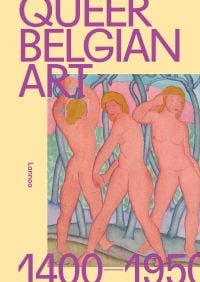
Queer Belgian Art 1400-1950
£35.00
Rare Special Editions available from ACC Art Books – More Information
Four years of research and collaboration
Queer Belgian Art 1400–1950 is the result of more than four years of art-historical research and close collaboration with academics, students, partner museums, archives, private collectors and visitors. The exhibition, catalogue and public programme were created largely by members of the queer community, and in times of polarisation, the museum firmly opts for empathy and connection between all audiences.
The exhibition offers new perspectives on Belgian art history, without imposing contemporary labels on historical figures who cannot speak for themselves. Instead, it invites everyone to remain open to multiple interpretations—and to experience how much richer art becomes when we allow for ‘queer possibilities’.
*What is ‘queer’?
The term ‘queer’ originally meant ‘strange’ or ‘deviant’. From the 1980s onwards, the LGBTQIA+ (Lesbian, Gay, Bisexual, Transgender, Intersex, Asexual) community appropriated the word for its own use. It became an umbrella term for everything that does not fit within sexual and gender norms. The exhibition also uses ‘queer’ in this broad sense, to refer to lives and loves that do not fit within the expectations of their time, both today and in centuries past.
Support Queer Belgian Art 1400–1950 with a donation or as a sponsor, and help us make this important project a success. With your help, we will bring even more exceptional loans to Ghent, restore fragile queer artworks, and build a major, inclusive public programme.
Please log-in or create an account to see your recent items.