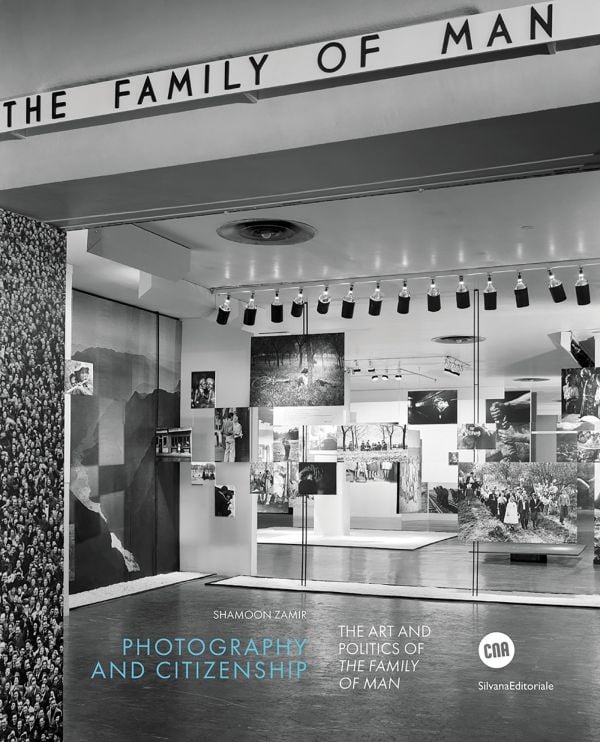

Photography and Citizenship
The Art and Politics of The Family of Man
- The Family of Man exhibition, which brought together hundreds of images by photographers working around the world, was a forthright declaration of global solidarity in the decade following World War II
- This study offers offers a new assessment of the forms of Steichen’s art as curator-artist
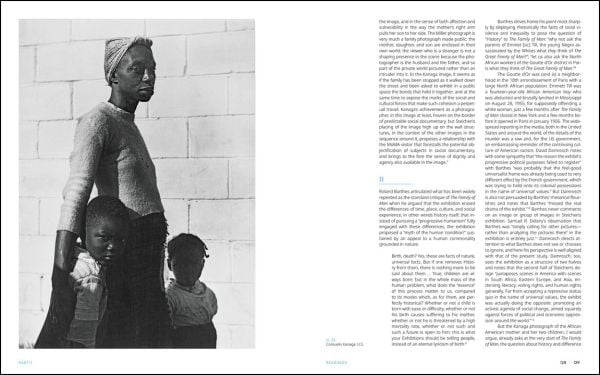
The Family of Man was the most artistically accomplished and, globally, the most widely seen visual articulation of an idea that had a special purchase on the imaginations of a large segment of the world’s citizenry in the ruinous wake of World War II: the idea of a common world in which the affinities of human lives across cultures secured the ideal of a just exercise of political power, and fostered a responsibility toward the rights and needs of those beyond one’s own community and national borders.
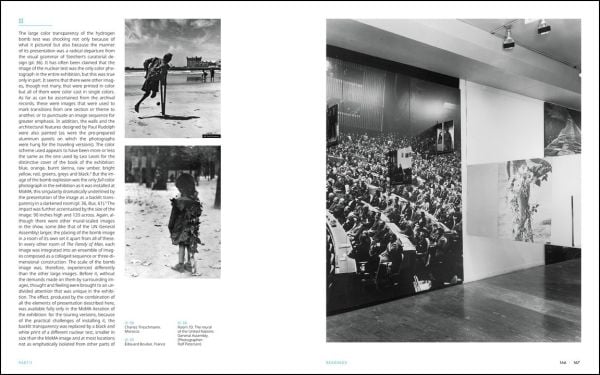
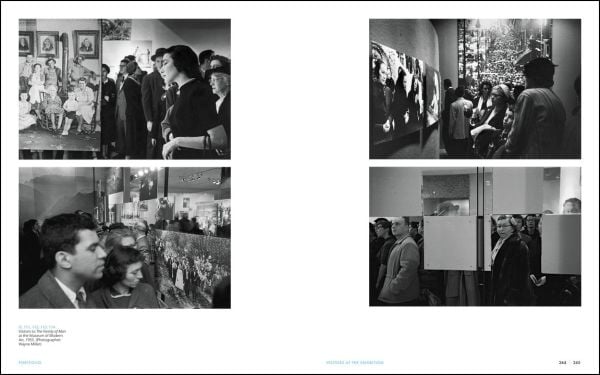
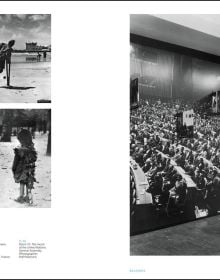
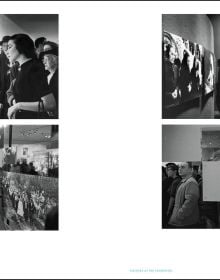
A gathering of some five hundred photographs from around the world, curated by Edward Steichen and composed by him as a dramatically unconventional exhibition architecture, The Family of Man opened at the Museum of Modern Art (MoMA) in New York in 1955. Then, over the next seven years, it was shown across the world.
The first part of this study locates the exhibition in a discourse of transnational responsibility and identity that was prevalent in the 1940s and 1950s and offers a new assessment of the forms of Steichen’s art as curator-artist. The thematics that shaped the narrative arc of The Family of Man are the subject of the readings that make up the second part of the present study. At the end of the first quarter of the 21st century, when the worldliness imagined by Steichen is critically under stress, Photography and Citizenship is grounded in the conviction that it will prove timely and valuable to revisit The Family of Man in its own historical moment.
- Publisher
- Silvana
- ISBN
- 9788836662807
- Published
- 29th Apr 2026
- Binding
- Hardback
- Territory
- UK, Ireland, Scandinavia, Iceland, Germany, Greece, Eastern Europe, & Austria. Arab States non-exclusive. Selected territories in Asia, non-exclusive
- Size
- 340 mm x 240 mm
- Pages
- 280 Pages
- Illustrations
- 150 b&w
Distributed by ACC Art Books
Our Catalogues
Please log-in or create an account to see your recent items.